Source india arrowhead pendants for Necklaces Bracelets Leather Craft
Compare 30 listings of india arrowhead pendants made from stainless steel with silver or gold plating. Buyers can evaluate customization options, OEM services, and lead times for necklace, bracelet, and leather craft applications.
Key considerations
Products List
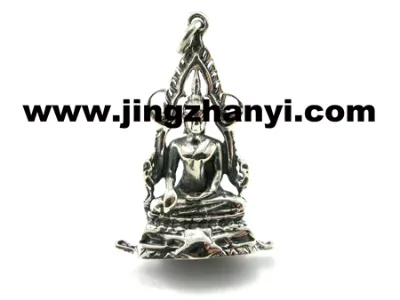
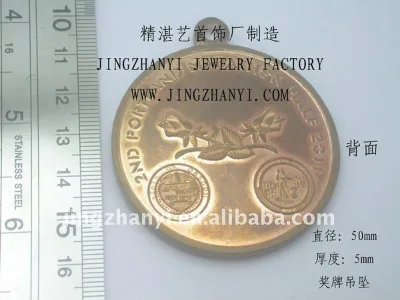






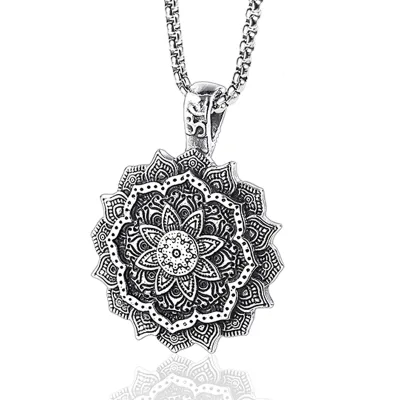
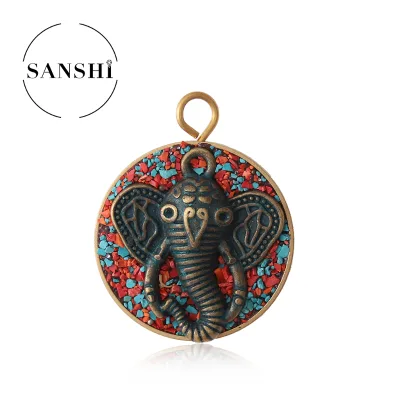

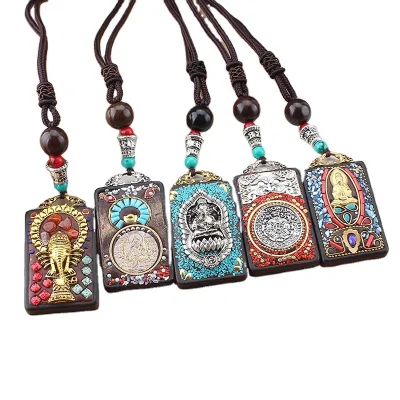
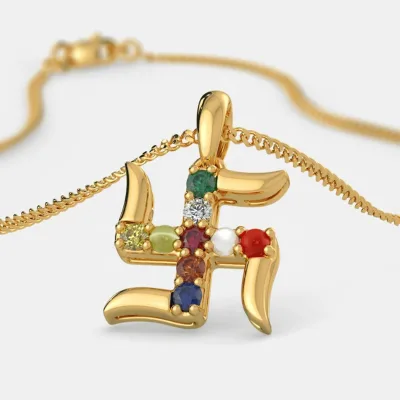
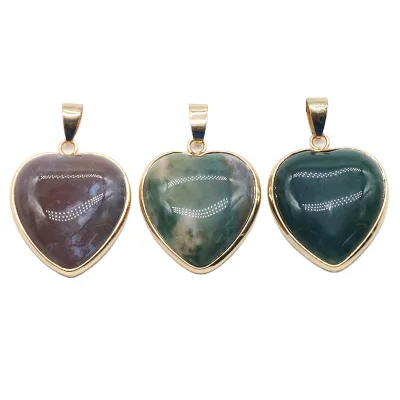
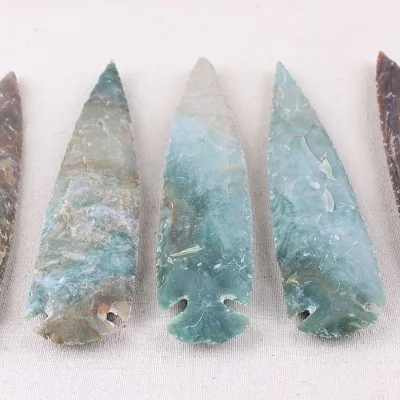
Comprehensive Sourcing Guide
India Arrowhead Pendants Sourcing Guide
Sourcing arrowhead pendants from India requires a nuanced understanding of the country’s robust jewelry manufacturing ecosystem, particularly in hubs like Jaipur and Delhi. While the supplied product data highlights stainless steel and silver options from Chinese origins, the Indian market is renowned for its expertise in gold, silver, and semi-precious stone settings. Buyers must distinguish between mass-produced fashion jewelry and artisanal pieces, as the term "India" often implies a specific aesthetic characterized by intricate detailing and traditional motifs. This guide focuses on the technical and commercial realities of procuring these items, ensuring that buyers align their specifications with the capabilities of verified suppliers.
The procurement process for arrowhead pendants involves balancing aesthetic fidelity with material durability. Buyers should note that while some listings may feature stainless steel or silver plating, Indian suppliers often specialize in 925 sterling silver or gold-plated base metals. Understanding the distinction between these materials is critical for pricing and quality expectations. Furthermore, the customization landscape in India is vast, ranging from simple geometric cuts to complex micro-inset designs. Procurement teams must clearly define their requirements for plating thickness, stone inlay, and packaging to avoid discrepancies between the ordered sample and the final bulk production.
Product Scope and Observed Listing Signals
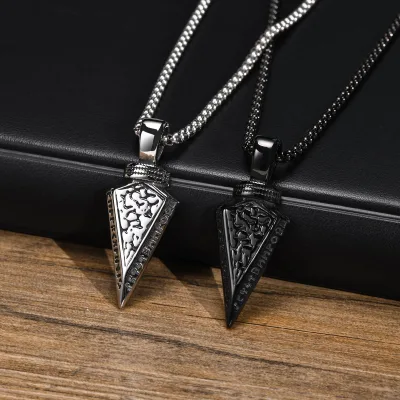
The current market landscape for arrowhead pendants reveals a diverse range of materials and finishes, though buyers must carefully cross-reference supplier claims with actual product capabilities. Observed listings frequently feature stainless steel and silver as primary materials, with plating options including gold, rhodium, and gunmetal. These attributes suggest a strong availability of durable, hypoallergenic options suitable for everyday wear. However, the presence of "fashion" and "trendy" style tags indicates that many suppliers prioritize rapid design turnover over timeless craftsmanship. Buyers should verify if the supplier can replicate specific Indian design elements, such as traditional filigree or specific stone cuts, which may not be standard in their generic catalog.
Color and finish variations are significant differentiators in this category. The observed data points to a wide spectrum of color options, including silver, gold, black, and rose gold, often achieved through eco-friendly coating processes. This versatility allows for broad market appeal, catering to both minimalist and bold fashion statements. Nevertheless, the claim of "fade-resistant" properties requires rigorous verification, as plating longevity depends heavily on the base metal quality and the thickness of the electroplated layer. Buyers should request specific details on the plating microns and the type of base metal used, particularly if the pendant is intended for high-humidity environments or frequent contact with skin.
Technical Specifications to Verify
Dimensional accuracy and structural integrity are paramount when sourcing arrowhead pendants, as these shapes often have sharp points and thin edges that are prone to bending or breaking. Standard sizes observed in the market range from 20mm to 35mm in width, with specific models like the SSP and P30796 indicating standardized production runs. Buyers must confirm the exact dimensions, including length and width, to ensure compatibility with chosen chains or leather cords. The single package size of approximately 5x5x5 cm suggests compact packaging, which is efficient for shipping but requires careful handling to prevent deformation during transit. Verifying the weight per unit, often around 0.030 kg, helps in calculating accurate freight costs and retail pricing margins.
The manufacturing process significantly impacts the final quality of the pendant. Techniques such as casting, plating, and micro-insert inlay are commonly employed, each offering distinct advantages in terms of detail and durability. For instance, micro-insert inlay allows for precise stone placement, enhancing the aesthetic appeal without compromising structural integrity. Buyers should inquire about the specific casting method, such as lost-wax or die-struck, as this affects the surface finish and consistency across large orders. Additionally, the chain type, whether link or pendant-specific, should be evaluated for its clasp security and flexibility, ensuring that the final jewelry piece meets functional expectations for wearability.
Compliance and Safety Documentation
Regulatory compliance is a non-negotiable aspect of importing jewelry, particularly when dealing with materials that may contain nickel or other allergens. Buyers must ensure that all suppliers provide relevant safety documentation, such as REACH compliance for the European market or CPSIA compliance for the United States. These certifications verify that the materials used, including the plating and any embedded stones, are free from harmful substances. The observed "eco-friendly" coating claims should be backed by third-party test reports, as self-declared environmental benefits can sometimes lack substantiation. Procurement teams should request these documents before placing bulk orders to mitigate the risk of customs delays or product recalls.
Labeling and packaging requirements also play a crucial role in compliance. The observed packing methods, such as individual poly bags or OPP bags, must meet specific labeling standards that include material composition, country of origin, and care instructions. Buyers should verify that the packaging includes all necessary regulatory marks, such as the CE mark for Europe or the FCC ID if applicable, although jewelry typically falls under material safety regulations. Ensuring that the packaging is durable enough to protect the pendant from scratches and tarnishing during storage and transit is also essential for maintaining product quality upon arrival at the destination warehouse.
Cost Drivers and Commercial Terms
Pricing for arrowhead pendants is influenced by several key factors, including material costs, plating thickness, and order volume. The observed price range of $1 to $3,500 USD reflects the vast disparity between simple fashion pieces and high-end, stone-encrusted designs. Buyers should understand that stainless steel options are generally more cost-effective due to lower material costs and easier manufacturing processes, while silver or gold-plated items command higher prices. The minimum order quantity (MOQ) of 50 pieces is a common threshold, allowing for flexibility in initial orders while ensuring production efficiency for suppliers. Negotiating volume discounts can significantly reduce the per-unit cost, especially for repeat orders or larger batches.
Lead times and payment terms are critical components of the commercial agreement. The observed lead time of five days suggests a rapid production cycle, which is advantageous for time-sensitive fashion trends. However, buyers should confirm if this lead time includes sample approval and shipping, as delays can occur during the customization phase. Payment terms typically range from 30% deposit to 70% before shipment, but buyers with established relationships may negotiate more favorable conditions. Understanding the total landed cost, including shipping, duties, and taxes, is essential for accurate profit margin calculations. Buyers should also inquire about the supplier’s policy on defective items and returns to protect their investment.
Supplier Qualification and Quality Control
Selecting the right supplier involves a thorough vetting process to ensure reliability and quality consistency. Buyers should prioritize suppliers with a proven track record in exporting jewelry, particularly those with experience in handling stainless steel and silver products. The observed origin locations, such as Dong Guan and Zhejiang in China, indicate established manufacturing hubs with advanced infrastructure. However, buyers must verify the supplier’s ability to meet specific customization requests, such as unique plating colors or intricate inlay designs. Requesting references from previous clients and reviewing their online presence can provide insights into the supplier’s reputation and operational stability.
Quality control measures must be implemented at every stage of production to minimize defects and ensure customer satisfaction. Buyers should establish clear quality standards, including acceptable tolerances for dimensions, plating uniformity, and stone setting. Conducting pre-shipment inspections is highly recommended to catch any issues before the goods leave the factory. Suppliers should provide detailed inspection reports, including photos and measurements, to verify compliance with the agreed specifications. Establishing a robust communication channel with the supplier’s quality assurance team can facilitate quick resolution of any discrepancies and foster a long-term partnership based on trust and mutual success.
Long-Term Procurement Checks
Sustaining a successful procurement strategy for arrowhead pendants requires continuous monitoring of market trends and supplier performance. Buyers should regularly review sales data to identify which designs, colors, and materials are performing best, allowing for informed decisions on future orders. Staying updated on fashion trends, such as the popularity of geometric shapes or specific plating finishes, can help in anticipating demand and adjusting inventory levels accordingly. Engaging with suppliers to discuss new product developments and technological advancements can also provide a competitive edge in the market.
Building a resilient supply chain involves diversifying suppliers and maintaining strong relationships with key partners. Buyers should avoid over-reliance on a single supplier, as this can expose them to risks such as production delays or quality issues. Establishing backup suppliers for critical components, such as chains or packaging, can ensure continuity in case of disruptions. Regularly auditing supplier performance, including on-time delivery rates and defect percentages, helps in identifying areas for improvement and reinforcing accountability. By adopting a proactive approach to procurement, buyers can optimize costs, enhance product quality, and drive long-term business growth in the competitive jewelry market.
FAQs
What customization options are available for these pendants?
Customization is available for these stainless steel pendants to meet specific design needs. Buyers can request OEM or ODM services to alter shapes, plating colors like gold or silver, and geometric patterns. This allows for tailored fashion jewelry solutions for various occasions.
How long is the lead time for production orders?
The standard lead time for production is five days for these items. This quick turnaround applies to orders meeting the minimum quantity requirements. Buyers should confirm specific timelines based on their order volume and customization requests before finalizing purchases.
Which metal types are used for these fashion pendants?
These pendants are primarily made from stainless steel with various plating options. Available finishes include silver, gold, black, rose gold, and gunmetal. The material ensures durability while offering a high-quality appearance suitable for necklaces and bracelets.
Can I order these pendants with specific packaging requirements?
Yes, packaging options include single bags, PP bags, or OPP bags depending on the product model. The standard single package size is approximately 5x5x5 cm with a gross weight of 0.030 kg. Custom packaging arrangements can be discussed through the OEM service.
What is the minimum order quantity for these items?
The minimum order quantity is typically 50 pieces for these stainless steel pendants. Some listings may show an MOQ range of 1 to 100 pieces depending on the specific supplier. Buyers should verify the exact MOQ for their selected model number before placing an order.
Where are these pendants manufactured and shipped from?
These products originate from manufacturing locations in Dongguan, Guangdong, and Zhejiang, China. The goods are shipped from these regions to international buyers. Buyers can expect products to be sourced from established Chinese manufacturing hubs known for jewelry production.
Which plating technologies are used on these pendants?
The pendants feature eco-friendly coating and plating technologies such as rhodium or gold plating. Some items utilize micro insert inlay technology for added detail. The plating is designed to be fade-resistant, ensuring the jewelry maintains its color and quality over time.